
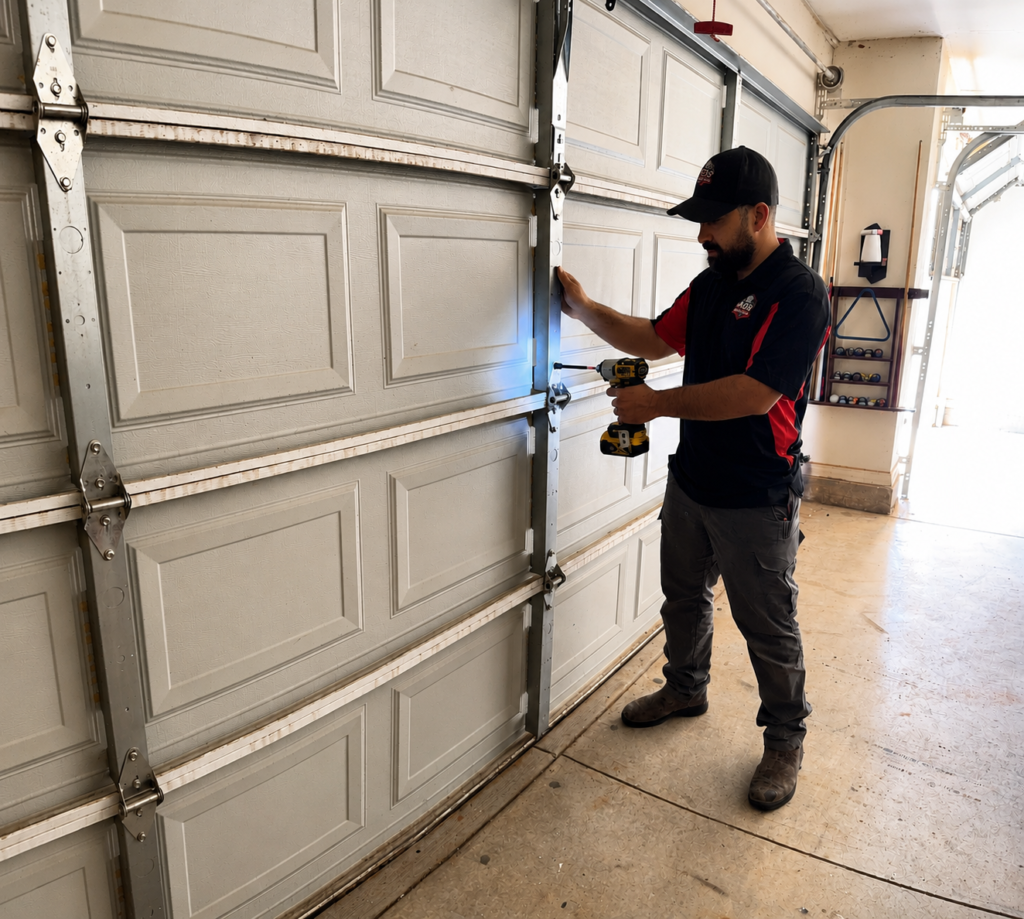
A garage door breaking again during its warranty period doesn’t automatically mean the previous repair failed. The problem could involve a defective replacement part, unfinished work, or another component. Homeowners should understand their warranty coverage, document the new symptoms, and allow the original company to investigate. A few informed decisions can help prevent unnecessary charges and frustrating disagreements.
The Repair Was Done. Now the Problem Is Back
Three weeks ago, a technician repaired your garage door, tested it, and left everything working normally. Today, the door is making the same strange noise again, or the opener refuses to finish closing. You remember being promised a warranty, but you’re not sure what happens next.
It’s frustrating to face another repair after already paying for one. However, the return of a familiar symptom doesn’t always mean the original work was faulty. Several parts work together to move a garage door, and different failures can produce similar behavior.
Before arranging another garage door repair, it helps to understand what the warranty protects, how to report the issue, and what should happen during the follow-up inspection.
Start With What You Were Actually Promised
A warranty can sound reassuring until you need to use it. One company may provide coverage for replacement parts, another may include workmanship, and some repairs involve separate manufacturer warranties.
The original invoice is a useful starting point because it identifies the completed work and often includes warranty details. Check the coverage period, any exclusions, and the process for requesting service. The Federal Trade Commission recommends reviewing written warranty terms rather than relying only on verbal promises.
Pay attention to the difference between a defective part and faulty installation. A manufacturer may cover a failed component, while an installation-related issue may fall under the service provider’s workmanship coverage. Labor and return-visit charges can also be treated differently.
Understanding those distinctions doesn’t require legal expertise, but it can prevent confusion when the company explains its findings.
A Familiar Noise Doesn’t Prove the Same Part Failed
Different garage door problems can produce similar symptoms. A technician may replace worn rollers to fix a scraping noise, only for a damaged hinge or misaligned track to cause a similar sound weeks later.
The same can happen after opener repairs. A replaced control component may work properly, while an unrelated mechanical issue develops. Warranty coverage generally applies to the repairs or parts specified in the agreement, not every future malfunction.
Instead of assuming the previous repair failed, describe the current symptoms and let the technician identify the cause. This helps determine if the problem falls under the existing warranty.
The Details You Notice Before the Visit Can Help
Some garage door problems happen consistently, while others appear only under certain conditions. A technician may arrive to find the door working normally, making the homeowner’s observations particularly valuable.
You don’t need to perform mechanical tests or take anything apart. Simply record the symptoms you’ve already noticed during ordinary use, provided the door is safe to operate.
A few details are especially helpful:
- When it started: Did the problem return immediately after the repair or several weeks later?
- What changed: Is the door making a new sound, stopping unexpectedly, or behaving differently?
- How often it happens: Does the issue occur every cycle or only occasionally?
- What was repaired: Which components appear on the previous invoice?
- What you can document safely: Photos or a short video may help show an intermittent problem.
Avoid repeatedly operating a malfunctioning door just to capture evidence. If the assembly appears unstable, keep the area clear instead.
Give the Original Company the First Opportunity to Investigate
Calling a different technician may seem easier when you’re disappointed with the first repair. However, the company that performed the work already has the original service record and may be responsible for correcting a covered defect.
Contact the provider, explain the symptoms, and refer to the previous repair date. Ask how warranty follow-up visits are handled and if any inspection fees could apply when the problem falls outside the covered work.
A clear conversation at this stage can prevent a common misunderstanding: the homeowner expects a free visit, while the company considers the new complaint unrelated to its earlier repair.
If the technician determines that another component has failed, request a description of the findings before approving additional charges. The original warranty and any newly proposed work should remain separate.
What If the Door Is Unsafe to Operate?
Warranty concerns become secondary when broken lift cables, damaged springs, uneven movement, or a partially hanging door create immediate safety risks. The opener may still respond even when the mechanical system is unstable.
Garage doors contain heavy components under significant tension. The Door & Access Systems Manufacturers Association warns against attempting spring and cable repairs without proper training.
Keep people and vehicles away from the opening, and avoid disconnecting the opener while the door is raised. Explain the safety concern when contacting the repair company so a qualified technician can assess the situation.
When the Warranty Conversation Becomes a Disagreement
A homeowner may believe the recently replaced part has failed, while the repair company attributes the problem to ordinary wear or another component. Such disagreements can make warranty coverage difficult to determine.
Request the technician’s diagnosis and warranty decision in writing, then compare both with the original invoice and coverage terms. Written records provide a clearer basis for resolving the issue than relying on memories of earlier conversations.
If the disagreement continues, Oklahoma homeowners can contact the Oklahoma Attorney General’s Consumer Protection Unit for information about filing a consumer complaint. This doesn’t guarantee a refund or repair, but it provides another way to pursue the matter.
A Second Technician May See Something the First One Missed
An independent assessment can be valuable when the original company declines to return, the diagnosis remains unclear, or the proposed additional work seems inconsistent with the symptoms.
The second technician should examine the actual condition of the door rather than simply agree or disagree with the first estimate. A useful assessment identifies the suspected failure, explains its effect on operation, and describes the proposed correction.
However, replacing parts through another provider before the warranty claim is resolved can complicate the situation. The original components may no longer be available for inspection, making it harder to establish what failed.
If the door presents an immediate hazard, safety takes priority. Otherwise, documenting the condition and reviewing the warranty terms before authorizing outside repairs may help preserve important evidence.
Eight Questions That Often Come Up After a Warranty Repair Fails
Q1. Does the warranty period restart after another repair?
A1. Not necessarily. Some warranties continue from the original service date, while newly installed replacement parts may have separate coverage. The written terms determine when protection begins and ends.
Q2. Can a garage door company charge for a warranty inspection?
A2. It depends on the agreement. Some providers waive return-visit fees for covered defects but charge for unrelated problems. Ask about potential costs before the technician visits.
Q3. What if I can’t find the original repair invoice?
A3. The company may have a copy of its service record. Payment confirmations, emails, and written messages can also help establish the repair date and what was discussed.
Q4. Will accidental damage be covered by a repair warranty?
A4. Most repair warranties focus on defective parts or workmanship rather than new damage caused by vehicle impacts or other accidents. Actual coverage depends on the written agreement.
Q5. Can another technician’s work automatically cancel my warranty?
A5. Not automatically. The effect depends on the warranty terms, applicable consumer-protection laws, and any connection between the outside work and the claimed defect.
Q6. What happens if the original garage door company closes?
A6. An eligible manufacturer’s product warranty may remain available even if the installer closes. Workmanship coverage offered solely by that business can be more difficult to pursue.
Q7. Can I request a replacement instead of another adjustment?
A7. You can ask, but the correct remedy depends on the actual defect and warranty terms. Some problems require replacing a failed component, while others may be corrected through proper adjustment.
Q8. What if the problem returns just after the warranty expires?
A8. Contact the original provider and explain when the symptoms began. Earlier reports, applicable warranty provisions, and consumer protections may affect the available options, although continued coverage isn’t guaranteed.
A Small Detail Worth Keeping After Every Repair
Most homeowners remember the repair bill but forget exactly which part was replaced. Months later, that missing detail can make it harder to explain a recurring problem, especially when a different technician answers the next service request.
Keep a photo of the invoice alongside a brief note about the original symptoms and completed work. Oklahoma City homeowners using 405 Garage Pros or another local garage door company can also ask for those details when the repair is completed. It’s a small habit that takes less effort than trying to reconstruct an old service visit when the garage door starts acting up again.