
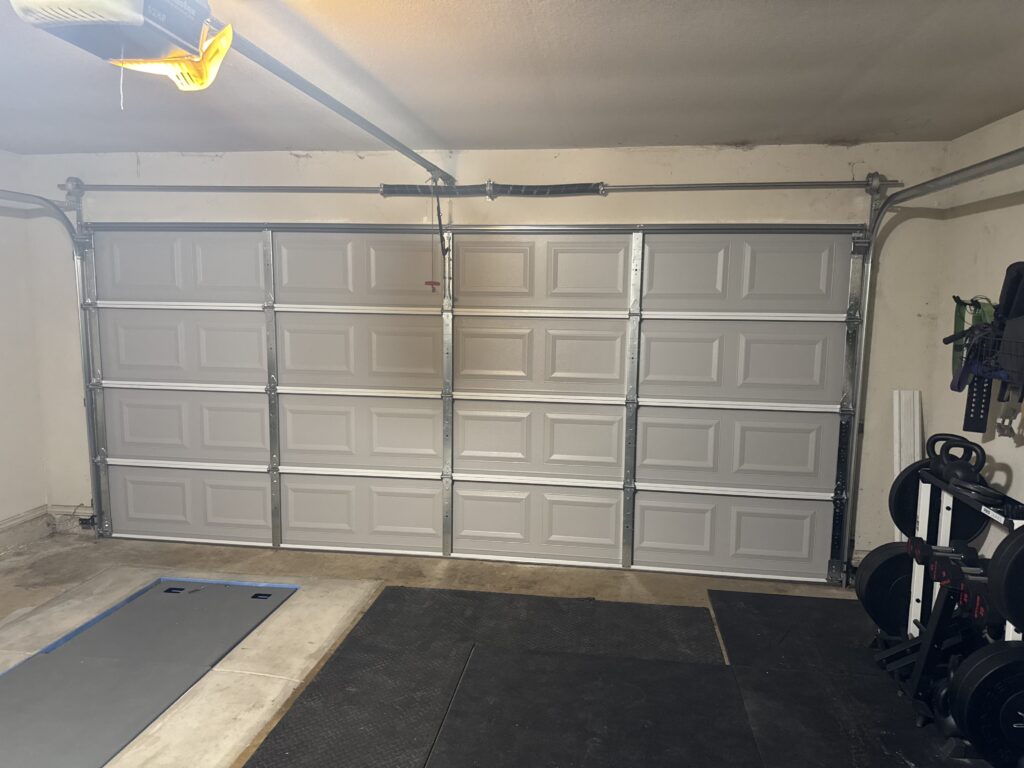
A power outage can stop a garage door opener when the door itself is fine. Knowing how battery backup, manual release systems, locks, and exterior access work can help you make a safer decision. This comprehensive post discusses what to try first, which warning signs point to mechanical trouble, and when emergency service makes more sense than repeated troubleshooting during outages.
Before You Try to Force the Door Open
A garage door opener can stop responding during a blackout even when the garage door itself is fine. It becomes more urgent when your car is trapped inside, the door is stuck open, or the garage is your main entrance. In situations like these, finding emergency garage door service near you may be the practical next step.
Identify What Lost Power
Try the wall button or remote once. If there is no response, check the garage circuit or GFCI outlet only if you can do so safely. Do not open electrical components or handle damaged wiring.
An outage can expose a mechanical problem already developing. Reddit discussions show homeowners sometimes notice unusual weight or movement only after the opener is disconnected.
That difference is important. You may be dealing with a powerless opener, a damaged door, or both.
If Your Opener Has Battery Backup
Some garage door openers are built with battery backup so they can keep working during an outage. Chamberlain says compatible systems can open and close the door without utility power, while its opener batteries typically last about one to two years.
Try the normal wall control or remote first. If the system has backup power but does not respond, the battery may be discharged or no longer holding enough charge.
For Oklahoma City homeowners, backup access can be useful during severe weather. The National Weather Service issued a severe thunderstorm warning affecting Oklahoma City in September 2026, with 60 mph wind gusts and quarter-size hail reported as hazards.
A battery-backed opener will not prevent every garage problem, but it can keep a simple power interruption from leaving you stuck.
No Battery Backup? Use the Manual Release
Most traditional trolley-style openers have an emergency release cord, commonly marked with a red handle. Pulling it disconnects the door from the opener so you can move the door manually.
Garage door experts recommend starting with the door closed when possible, releasing the opener, and lifting the door by hand. A properly balanced door should move without excessive effort.
A garage door is heavy, but you should not have to fight it upward.
If the door suddenly feels much heavier, drops, refuses to stay open, or moves unevenly, stop. The problem could involve a spring, cable, or balance issue. A manual release is not a workaround for damaged hardware.
Do not try to repair a broken spring or cable yourself. These components can store significant tension and require proper handling.
Check the Manual Lock
Before lifting a released door, make sure a manual lock is not engaged.
A slide or keyed lock can prevent the door from moving and may cause damage if you try to force it. Experts specifically advise unlocking these mechanisms before manual operation.
Once the opener is disconnected, the automatic system is no longer securing the door. You may need the manual lock to keep the garage secured after closing it.
What If You Are Locked Outside?
The emergency release is normally inside the garage, creating a problem when you have no other entrance.
Some systems can use an exterior emergency release that provides keyed access to the manual release cable. A garage door expert explains that this can help with detached garages and homes without another garage entry. It also recommends keeping the release key accessible, including in a vehicle when appropriate.
Without an exterior release, do not pry at the bottom section or pull hard from one side. A stuck door may have a spring, cable, track, or lock problem, and forcing it can create a bigger repair.
Security matters, too. Many homeowners have raised concerns about outside access to emergency release cords, particularly on garages that can be reached through windows or other openings.
When a Heavy Door Means Something Is Wrong
One useful clue after manual release is how the door feels.
Garage door springs help counterbalance the door’s weight. If the door suddenly becomes extremely heavy, drops, or will not stay open, the spring system may not be doing its job.
Homeowner discussions show this pattern: the opener worked before the outage, but the mechanical problem became obvious during manual operation.
Do not keep testing a door that behaves differently from normal. Repeated lifting can place extra strain on damaged hardware and may turn a repairable problem into a larger one.
The Power Is Back, but the Door Still Won’t Open
Restored electricity does not always return the garage to normal.
If you used the emergency release, the door may still be disconnected from the opener. The mechanism must be re-engaged before automatic operation can resume. Experts provide specific steps for reconnecting the door after manual operation.
The opener may also power up but fail to move the door. A motor that runs without lifting the door, unexpected reversal, or a crooked door can point to a mechanical issue.
Avoid randomly changing force or travel settings. Explain what changed before and after power returned.
That is when emergency garage door repair can help you.
When Should You Call for Emergency Service?
A dead opener during a blackout does not automatically require urgent service. The situation becomes more serious when you cannot safely operate or secure the door.
Examples include:
- The door is stuck open.
- Your vehicle is trapped inside.
- The door suddenly becomes extremely heavy.
- A spring or cable appears damaged.
- One side sits higher than the other.
- The door drops or jams.
- The opener runs but cannot lift the door.
OKC Storm Considerations
A power outage can be part of a larger storm problem. Wind and hail may leave debris around the garage, while damaged electrical equipment creates another safety issue.
OG&E advises customers to stay away from downed power lines and anything touching them. The utility also warns that lines may still be energized even when they look harmless.
Do not approach damaged electrical equipment just to get the opener working.
Once the area is safe, inspect the garage door from a distance. Look for obvious debris, impact damage, bent sections, or anything blocking the door before trying to operate it.
Prepare Before the Next Outage
Find the emergency release before you need it. Know if your opener has battery backup. Learn how the manual lock works and find out if an exterior release is installed.
Experts recommend keeping an exterior-release key accessible when the system uses one.
Keep the opener model number and manual accessible outside the garage, too. Release and reconnection procedures can vary by system.
It is also worth knowing what your door feels like during normal operation. A door that becomes dramatically heavier during an outage is giving you useful information.
A little preparation can turn an inconvenient blackout into a manageable problem and help you recognize when the issue has become a mechanical repair.
FAQs: Garage Door Power Outage Questions, Answered
Q1. Can a garage door opener work during an outage without a battery?
A1. Not through normal electric operation. Without utility power or backup power, the motor cannot run. Manual release may still allow the door to move.
Q2. Does every garage door opener support battery backup?
A2. No. Backup capability depends on the opener model. Some units include it, while others do not.
Q3. Can I use a portable generator to power the opener?
A3. Never operate a generator inside a garage or enclosed space because of carbon monoxide. Follow the generator manufacturer’s instructions for any temporary electrical connection.
Q4. Why might the keypad stop working during an outage?
A4. The keypad may depend on the opener’s power system. Battery-backed units may continue operating, depending on the model.
Q5. Can lightning cause an opener to fail even after power returns?
A5. Yes. A storm-related electrical event can damage electronic components. A dead opener after power returns may need electrical diagnosis.
Q6. Can storm debris damage a garage door without hitting it directly?
A6. Yes. Wind can push debris into tracks or moving parts. A visual check can reveal an obstruction before operation.
Q7. Is it safe to leave a garage door disconnected from the opener?
A7. It can be left manually secured in some situations, but the door must be stable and secured. A disconnected opener provides no automatic control.
Q8. What information should I give a repair technician?
A8. Explain what happened before the outage, what the door did during it, and what changed after power returned. Mention unusual sounds, heavy movement, crooked sections, damaged cables, or a door that will not stay open.
Make the Next Outage Easier to Handle
A power outage can be frustrating, but forcing a garage door that feels wrong can turn a simple problem into a bigger one. If your door is stuck, unusually heavy, or still not working after the power comes back, 405 Garage Pros can take a closer look and help identify the problem. When you need emergency garage door service near you, getting the issue checked properly can help prevent further damage.