
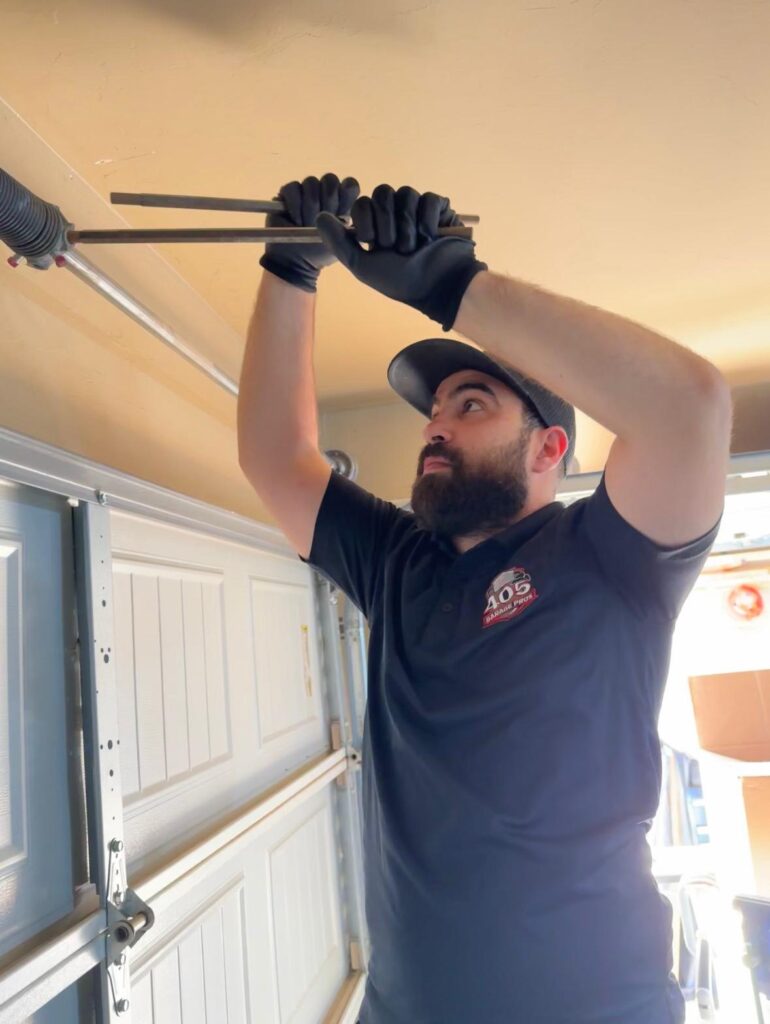
A new garage door should move smoothly from the first day. If it shudders, scrapes, stops, or feels unusually heavy, the problem may come from alignment, hardware, balance, or opener setup. Small installation issues can affect the whole system. Checking obvious signs early can prevent further wear and show you when the door needs professional attention from a technician soon.
One Problem Can Affect the Whole Door
A new door should not be ignored if it shakes, scrapes, binds, or stops in the same spot. Some operating noise is normal, but repeated problems deserve attention.
Garage door installation involves several parts working as one system. The sections, tracks, rollers, hinges, springs, cables, and opener all affect how the door moves. An issue in one area can create a noticeable problem somewhere else.
Start With the Door’s Movement
Watch the door open and close once without trying to adjust anything. Notice where the movement changes.
Does it jerk at one point? Does one side move ahead of the other? Does it pause, scrape, or sound different near the floor or ceiling?
DASMA says a garage door that does not move smoothly may indicate an unsafe condition. Awkward movement during manual operation can also point to an out-of-balance spring system.
Check the Sections for Alignment
Look across the closed door from a short distance away. The sections should sit evenly rather than leaning, bowing, or pulling away from each other.
A panel that sits unevenly can affect roller movement and create gaps along the sides. New doors should be checked for obvious alignment problems before you assume the opener is the cause.
Look at the Tracks
Tracks guide the rollers as the door moves. A new door that rubs or binds may have a track that is out of position or a roller that is not traveling correctly.
Look for obvious bends, gaps, or sections that appear out of line. Do not loosen or bend the track yourself. DASMA says garage door adjustments and repairs should be performed by trained door-system technicians using proper tools and instructions.
Listen for New Noises
A new garage door does not have to be silent. Different hardware can produce a different sound from your old door.
Grinding, scraping, popping, or repeated rubbing is another matter. The location can provide a clue. Noise near one section may point toward a roller or hinge, while sounds around the opener can suggest an operator-related issue.
Follow the care instructions for the specific door and opener instead of applying lubricant to every moving part. DASMA advises homeowners to consult the manufacturer’s instructions for model-specific maintenance.
Check the Door’s Balance
The opener should not have to struggle against an improperly balanced door.
When the door can be operated manually according to the product instructions, notice how it feels. A door that feels unusually heavy or wants to move sharply in one direction may have a balance problem.
Spring adjustments are not a DIY task. Garage door springs can be under extreme tension, and DASMA warns that repairs or adjustments should be handled by trained technicians.
Give the Opener and Sensors a Look
Sometimes a rough-running new door leads you straight to the opener, but the door itself may be creating extra resistance.
Watch for an opener that strains, stops early, reverses unexpectedly, or behaves differently from its first few cycles. Check that the photoelectric sensors near the floor are still in place and unobstructed.
The U.S. Consumer Product Safety Commission says automatic residential garage door operators must comply with a federal safety standard. Its guidance also stresses automatic-reversal protection.
DASMA recommends monthly testing of residential opener safety systems, including photoelectric sensors and the automatic reversing mechanism.
Think About the Installation Itself
If the door has been rough from the first day, the timing matters.
A new garage door should operate properly after installation. Repeated problems can point to alignment, balance, hardware, or opener setup rather than something the door simply needs to “work through.”
Write down exactly what you notice. “It sounds bad” is less useful than “it scrapes halfway down and shakes near the bottom.” Specific details make it easier for a garage door company to understand the problem.
Oklahoma City Conditions Matter Too
Oklahoma City garages deal with strong winds, severe thunderstorms, seasonal temperature changes, and plenty of everyday use. A new door still needs to be installed for the actual opening and conditions of the home.
Local requirements matter too. The City of Oklahoma City says permits are required for certain construction-related work and that its Development Center reviews projects for compliance with applicable codes and ordinances. Permit requirements depend on the project, so homeowners should check current city requirements when an installation involves permit-covered work.
That is one reason installation should not be treated as a one-size-fits-all job.
Know When to Stop Testing It
A new door that is slightly noisy is different from one that is unstable or binding.
Avoid using the door if it becomes crooked, repeatedly comes off track, has a loose or damaged cable, shows a spring problem, or places unusual strain on the opener. Do not try to correct spring tension or force a damaged section back into place.
DASMA warns that springs and other garage door components can be under extreme tension and says repairs and adjustments should be handled by trained technicians.
What to Ask the Garage Door Company
You do not need to diagnose the problem before contacting the installer. Start with what you can see and hear.
Ask:
- Does the door appear properly aligned and balanced?
- Could the tracks, rollers, or hinges be causing the rough movement?
- Is the opener working correctly with the new door?
- Are the safety sensors positioned and functioning properly?
- Is the issue likely related to installation or another component?
Those questions keep the conversation focused on the actual symptom instead of guessing which part needs replacement.
Questions About a New Garage Door That Is Not Running Smoothly
Q1: Should a new garage door make some noise?
A1: Yes. A new door does not have to be silent. Normal operating sound varies by the door, hardware, and opener. Grinding, scraping, or repeated popping deserves attention.
Q2: Why does my new garage door shake?
A2: Shaking can come from uneven movement, alignment, rollers, tracks, balance, or another mechanical issue. The symptom alone does not identify the exact cause.
Q3: Why does the door stop at the same place every time?
A3: A repeated stopping point can be linked to an obstruction, track issue, opener travel setting, or resistance that appears at that stage of movement.
Q4: Can a new garage door be out of balance?
A4: Yes. A new installation can still have a balance issue. Unusual heaviness or awkward manual movement should be checked rather than ignored.
Q5: Why does my new garage door reverse before closing?
A5: The opener’s safety system, sensors, travel settings, or resistance from the door can cause reversal. The cause should be identified before changing settings.
Q6: Should I adjust the garage door springs if the door feels heavy?
A6: No. Springs can hold extreme tension. DASMA recommends that spring and door adjustments be performed by trained door-system technicians.
Q7: How often should I test the safety sensors?
A7: DASMA recommends monthly testing of residential opener safety systems, including photoelectric sensors and the automatic reversing mechanism. Follow the instructions for your specific opener.
Q8: Should I report a problem if the door was just installed?
A8: Yes, especially when the problem repeats from the first few uses. A clear description of when the noise, shaking, or stopping occurs can make the issue easier to assess.
When a New Door Does Not Feel Right
The first few weeks with a new garage door should be pretty uneventful. If you are already hearing scraping, noticing uneven movement, or watching the opener struggle, something deserves a closer look. Do not reach for the spring hardware yourself. 405 Garage Pros can inspect the system, find the source of the problem, and handle the necessary garage door installation work before a small issue turns into a bigger one.